This paragraph should be hidden.
Whether you live out in the country or drive frequently on uneven, unpredictable terrain, having a winch installed on your vehicle can save you from getting stuck in a difficult position.
Plan your pull
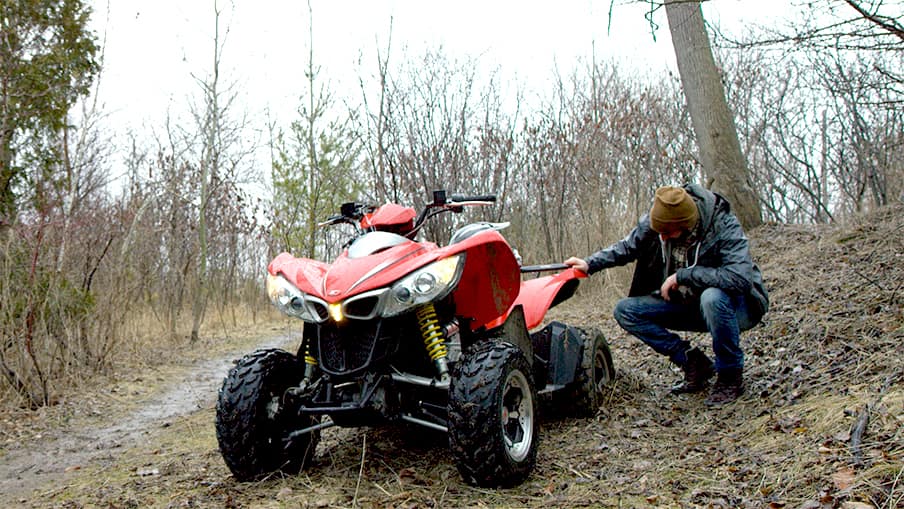
Before getting started, carefully assess the situation and make sure you have everything you need.
Put on gloves
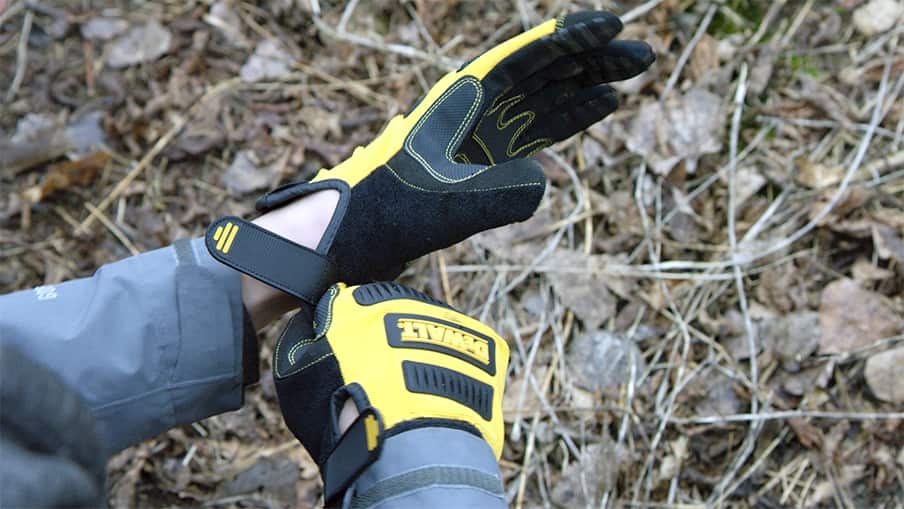
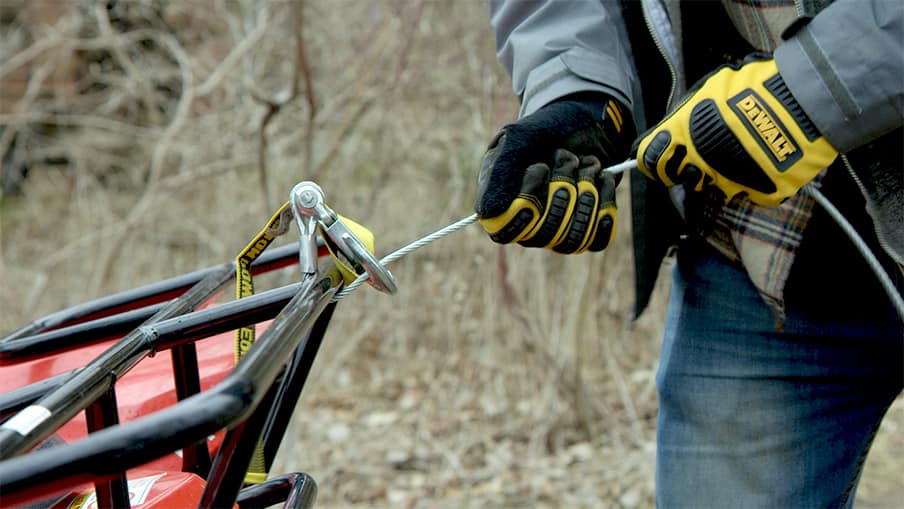
Keep a pair of sturdy work gloves in your vehicle to protect your hands. Wear them at all times while using your winch.
Find a good anchor
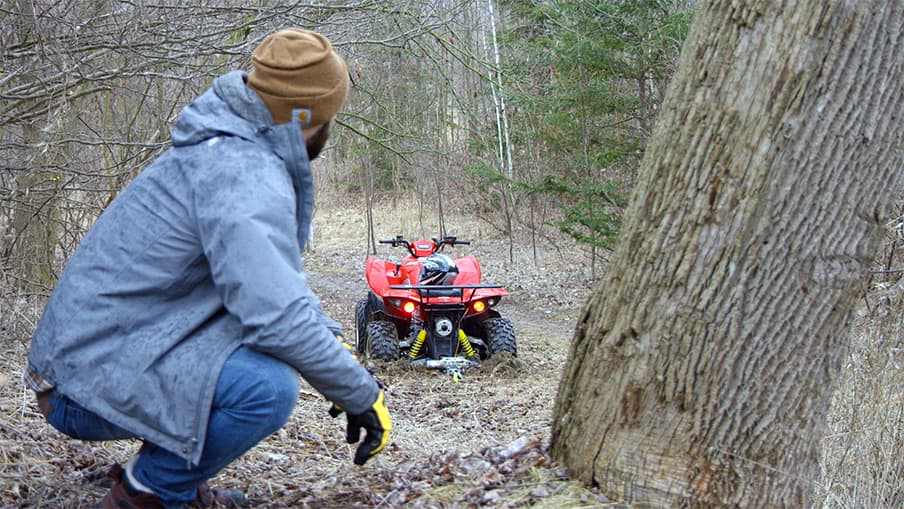
Locate a strong tree or boulder to use as your anchor. Look for something suitable positioned at a 90 degree angle to your vehicle. If you choose an anchor to one side of your vehicle, you risk having the rope pile up on one side of the drum during winching. That can cause damage to both the rope and the winch.
Set the Rope
Disengage the clutch and pull out the rope, giving yourself more than you need.
Harness your anchor or project
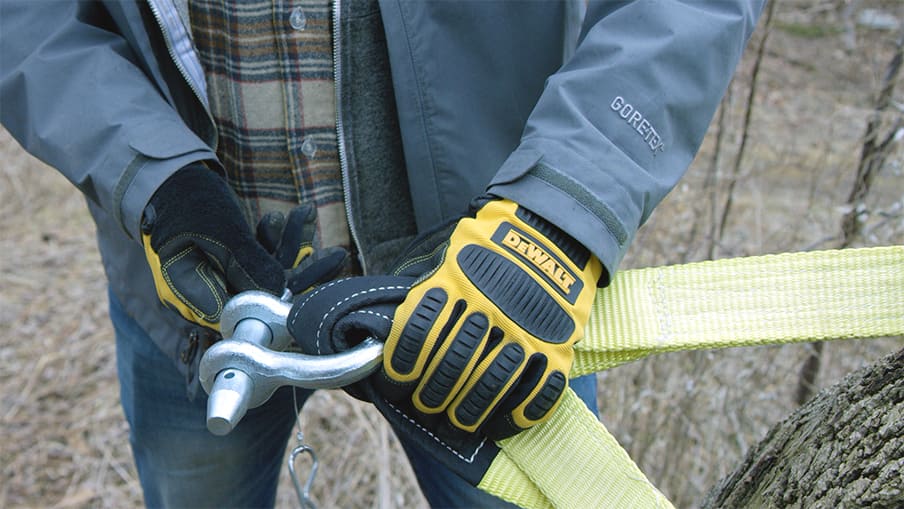
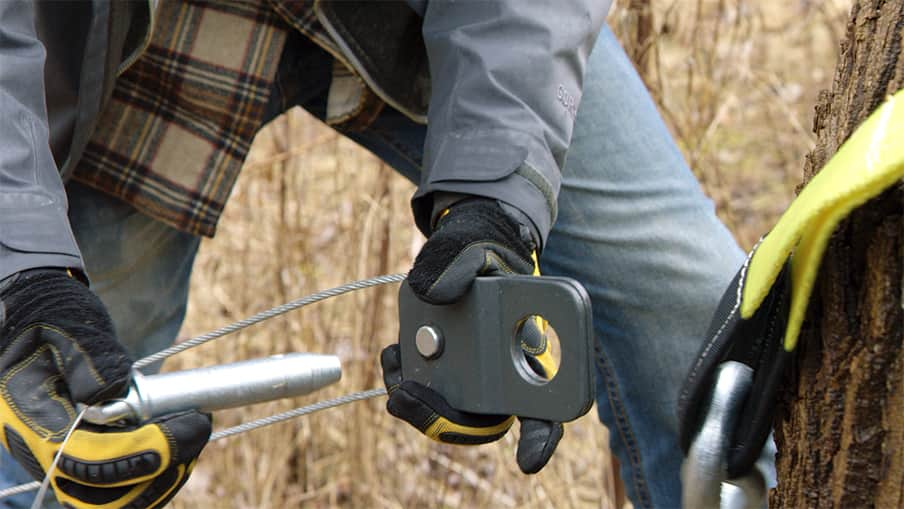
Wrap a sling around your anchor. Attach the ends with a D shackle and then attach the clevis hook. For long pulls, create a double line using a snatch block, to significantly reduce the strain on the rope. Just attach the snatch block securely to the D shackle, double the rope back to the vehicle and attach the clevis hook.

Tighten the slack
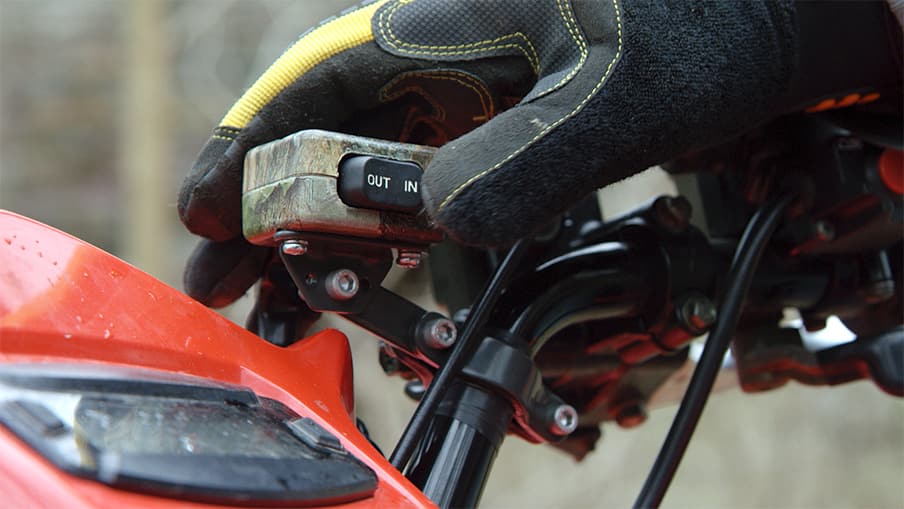
Engage the clutch and power the winch to draw up most of the slack. Drape a blanket or jacket over the rope, in case it should break, to help protect you from any snap back.
Begin winching
Start engine and begin winching, using short, controlled pulls. Make sure the line always has a little slack and monitor that the rope is winding evenly. Continue until your vehicle is unstuck and on firm ground.
Rewind the rope
Release the tension on the rope, disconnect it from the anchor and rewind it tightly and evenly.

When you visit any website, it may store or retrieve information on your browser, mostly in the form of cookies. This information might be about you, your preferences or your device and is mostly used to make the site work as you expect it to. The information does not usually directly identify you, but it can give you a more personalized web experience. Because we respect your right to privacy, you can choose not to allow some types of cookies. Click on the different category headings to find out more and change our default settings. However, blocking some types of cookies may impact your experience of the site and the services we are able to offer.
Canadian Tire Privacy Charter
These cookies are necessary for the website to function and cannot be switched off in our systems. They are usually only set in response to actions made by you which amount to a request for services, such as setting your privacy preferences, logging in or filling in forms. You can set your browser to block or alert you about these cookies, but some parts of the site will not then work. These cookies do not store any personally identifiable information.
These cookies may be set through our site by our advertising partners. They may be used by those companies to build a profile of your interests and show you relevant adverts on other sites. They do not store directly personal information, but are based on uniquely identifying your browser and internet device. If you do not allow these cookies, you will experience less targeted advertising.
These cookies allow us to count visits and traffic sources so we can measure and improve the performance of our site. They help us to know which pages are the most and least popular and see how visitors move around the site. All information these cookies collect is aggregated and therefore anonymous. If you do not allow these cookies, the aggregated data will not include your visit.
These cookies enable the website to provide enhanced functionality and personalisation. They may be set by us or by third party providers whose services we have added to our pages. If you do not allow these cookies then some or all of these services may not function properly.