

Deals
New & Featured
Departments
- Automotive
- ATVs, Snowmobiles, Motorcycles Parts & Accessories
- ATVs, Snowmobiles, Motorcycles Parts & Accessories Sales
- ATVs, Snowmobiles, Motorcycles Parts & Accessories Clearance
- ATV & UTV Parts & Accessories
- Loading Ramps
- Motorcycle Parts & Accessories
- Snowmobile Parts & Accessories
- Trailers & Towing Accessories
- Audio & Electronics
- Auto Body Repair, Paints & Accessories
- Auto Lighting
- Auto Parts
- Auto Body Parts
- Brakes
- Drivetrain & Transmission
- Electrical & Wiring
- Emission & Exhaust Systems
- Engine & Ignition
- Code Readers, Diagnostic & Test Tools
- Distributors, Caps, Rotors & Parts
- Drive Belts, Tensioners & Harmonic Balancers
- Engine & Ignition Sensors & Switches
- Engine & Transmission
- Engine Gaskets
- Gauges & Fittings
- Glow Plugs & Components
- Ignition Coils, Resistors & Control Modules
- Ignition Wires & Sets
- Intake Manifolds
- Oil Delivery Parts
- Spark Plugs
- Timing Belts & Kits
- Filters & PCV Valves
- Fuel Delivery
- Heating, A/C & Engine Cooling
- Antifreeze & Coolant System Additives & Chemicals
- Cabin Air Filters
- Engine Coolant Temperature Sensors & Switches
- Engine Cooling Parts
- Engine Heaters
- Heating & A/C Parts
- Heating, A/C & Engine Cooling Tools
- Refrigerants & A/C Additives
- Oil Delivery Parts
- Performance Parts
- Starters & Alternators
- Steering & Alignment
- Suspension Parts
- Wiper Blades & Parts
- Auto Shelters
- Auto Tools
- Auto Body Repair Tools
- Brake System Tools
- Buffers & Polishers
- Diagnostic & Testing Tools
- Drivetrain & Transmission Tools
- Electrical Tools & Kits
- Fuel System Tools
- Garage & Auto Shop Storage & Equipment
- General Service Tools
- Grease & Lubrication Tools
- Heating, A/C & Engine Cooling Tools
- Oil Change Tools & Accessories
- Portable Work Lights
- Repair Manuals
- Steering, Suspension & Alignment Tools
- Tire & Wheel Tools
- Tire Repair Materials
- Batteries, Maintenance & Accessories
- Auto & Specialty Batteries
- Battery Booster Packs & Jump Starters
- Battery Cables & Hold Downs
- Battery Chargers
- Battery Terminals
- Battery Testers & Tools
- Booster Cables
- EV Chargers
- Power Inverters
- Car Detailing & Care Products
- Car Safety & Security
- Exterior Accessories
- Interior Accessories
- 12V Car Chargers & Plug-In Accessories
- Car Air Fresheners
- Car Safety & Security
- Car Seats
- Car Warmers
- Car Window Shades & Visors
- Car Window Tint
- Floor Mats & Liners
- Interior Car Mirrors
- Interior Car Organizers
- Interior Dress-Up Accessories
- Keychains
- Seat Covers & Cushions
- Steering Wheel Covers
- Oils, Fluids, Additives & Chemicals
- Antifreeze & Coolant System Additives & Chemicals
- Brake & Power Steering Fluids & Additives
- Diesel Fluids
- Engine Oils & Additives
- Fuel System Additives & Cleaners
- Grease, Gear Oils & Lubricants
- Oil Change Tools & Accessories
- Refrigerants & A/C Additives
- Stop Leaks
- Transmission Fluids & Additives
- Windshield Washer Fluids
- RV Parts & Accessories
- RV Electrical Accessories
- RV Exterior
- RV Fresh Water Accessories
- RV Interior
- RV Leveling & Stabilization
- RV Lighting
- RV Maintenance
- RV Plumbing & Sanitation
- Tires & Wheels
- Trailers & Towing Accessories
- Truck Accessories
- Cargo Management
- Exhaust Systems
- Exterior Truck Accessories
- Floor Mats & Liners
- LED Light Bars
- Light Pods & Utility Lights
- Mounts & Accessories
- Mud Flaps & Splash Guards
- Performance Air Filters
- Running Boards & Steps
- Seat Covers & Cushions
- Snow Plows, Mounts & Accessories
- Tonneau Covers
- Trailers & Towing Accessories
- ATVs, Snowmobiles, Motorcycles Parts & Accessories
- Home
- Appliances
- Hair Care
- Irons & Steamers
- Kitchen Appliances
- Blenders & Juicers
- Breadmakers
- Carbonated Water Makers & Accessories
- Coffee Grinders
- Coffee Makers
- Cookers
- Espresso Machines & Makers
- Food Dehydrators
- Food Mixers & Accessories
- Food Processors & Choppers
- Frozen Treat Makers & Ice Cream Scoops
- Fryers
- Hot Plates & Food Warmers
- Ice Makers
- Indoor Grilling
- Kettles
- Meat Grinders & Slicers
- Microwaves
- Popcorn Makers
- Toasters
- Waffle Makers
- Portable Dishwashers & Replacement Parts
- Range Hoods & Accessories
- Refrigerators & Beverage Coolers
- Sewing Machines
- Shavers, Trimmers & Hair Removal
- Vacuum Cleaners
- Water Coolers
- Bath
- Bath Mats & Rugs
- Bathroom Accessories
- Bathroom Exhaust Fans & Accessories
- Bathroom Hardware
- Bathroom Storage & Organization
- Bathroom Vanities
- Bathtubs, Showers & Accessories
- Hand & Bath Towels
- Beauty, Health & Wellness
- Bath, Body & Skin Care
- Fitness & Exercise
- Fitness & Training Recovery
- Hair Care
- Health Care Devices & Accessibility Equipment
- Heating, Cooling & Air Quality
- Oral Care
- Protective Face Masks & Coverings
- Shavers, Trimmers & Hair Removal
- Spa, Massage & Aromatherapy
- Sun Protection
- Heating, Cooling & Air Quality
- Home Decor
- Home Electronics
- Audio Devices
- Cell Phone Accessories
- Computer Accessories
- Extension Cords
- Flashlights, Lanterns & Headlamps
- Home Electronics Accessories & Supplies
- Home Phones & Two Way Radios
- Household Batteries
- Power Bars & Surge Protectors
- Smart & GPS Watches
- Tablets & Tablet Accessories
- TV Stands & Media Units
- TV, Video & Home Theater
- Home Furniture
- Baby Furniture
- Bedroom Furniture
- Entryway Furniture
- Games Room
- Kitchen & Dining Room Furniture
- Living Room Furniture
- Office Furniture
- Patio Furniture & Décor
- Storage Furniture
- Toddler & Kids Furniture
- Window Treatments
- Home Safety & Security
- Household & Cleaning Supplies
- Air Fresheners
- Cleaners
- Cleaning Tools
- Dish Cleaning
- Drain Cleaners
- Floor Cleaning
- Garbage Cans & Bags
- Laundry Supplies
- Paper Products
- Plungers
- Vacuum Cleaners
- Kitchenware
- Bakeware
- Coffee, Espresso & Tea
- Cookware
- Dining & Entertaining
- Food Organizers
- Kitchen Appliances
- Blenders & Juicers
- Breadmakers
- Carbonated Water Makers & Accessories
- Coffee Grinders
- Coffee Makers
- Cookers
- Espresso Machines & Makers
- Food Dehydrators
- Food Mixers & Accessories
- Food Processors & Choppers
- Frozen Treat Makers & Ice Cream Scoops
- Fryers
- Hot Plates & Food Warmers
- Ice Makers
- Indoor Grilling
- Kettles
- Meat Grinders & Slicers
- Microwaves
- Popcorn Makers
- Toasters
- Waffle Makers
- Kitchen Linens
- Kitchen Storage & Organization
- Kitchen Tools & Gadgets
- Can & Bottle Openers
- Colanders, Strainers & Salad Spinners
- Cooking Thermometers
- Frozen Treat Makers & Ice Cream Scoops
- Kitchen Scales
- Kitchen Timers
- Kitchen Utensil Sets
- Mandolines & Graters
- Measuring Cups & Spoons
- Mixing Bowls
- Pizza Ovens & Tools
- Potato & Meat Mashers
- Rolling Pins
- Salt & Pepper Shakers
- Specialty Tools
- Utensils
- Knives & Cutting Accessories
- Portable Drinkware
- Lighting
- Moving Supplies
- Office & School Supplies
- Paints & Stains
- Party City
- Bakeware
- Balloons & Accessories
- Birthday Invitations & Valentine's Day Cards
- Gift Wrapping Supplies
- Household & Cleaning Supplies
- Party Decorations
- Party Favours
- Arts & Crafts Supplies
- Bags
- Bubbles & Bubble Toys
- Cups, Containers & Treat Boxes
- Favour Ties, Tags & Charms
- Giveaway Toys
- Glow Sticks
- Jewelry
- Party & Birthday Hats
- Party Favour Gift Sets
- Pins, Buttons & Patches
- Stationery
- Stickers
- Temporary Tattoos
- Trophies & Ribbons
- Wands
- Water Balloons
- Water Blasters & Soakers
- Whistle & Noisemakers
- Tableware
- Toys & Games
- Sinks, Faucets & Fixtures
- Bathroom Sinks & Faucets
- Bathroom Vanities
- Bathtubs, Showers & Accessories
- Kitchen Sinks & Faucets
- Laundry Tubs & Faucets
- Shower Wall Panels
- Showerheads & Hand Showers
- Toilets & Accessories
- Smart Home
- Snacks & Beverages
- Storage & Organization
- Baskets
- Bathroom Storage & Organization
- Closet Storage & Organization
- Garage Organization & Tool Storage
- Garage Door Openers & Hardware
- Garage Stools
- Garage Storage Cabinets
- Garage Storage Shelves & Racks
- Garage Wall & Ceiling Organization
- Plastic Storage Containers & Totes
- Portable Work Lights
- Tool Bags, Boxes & Organizers
- Tool Belts & Aprons
- Tool Chests, Cabinets & Accessories
- Tool Pouches & Holders
- Utility & Tool Carts
- Workbenches & Workstands
- Hanging Hooks
- Kitchen Storage & Organization
- Laundry Storage & Organization
- Shelving & Racks
- Shoe Racks & Storage
- Shopping Carts & Bags
- Storage Bins
- Storage Drawers & Carts
- Storage Furniture
- Toy Storage
- Vacuum Storage Bags
- Appliances
- Outdoor Living
- Backyard Pools & Supplies
- Christmas
- Christmas Entertaining
- Christmas Lights
- Christmas Icicle Lights
- Christmas Inflatables
- Christmas Lawn Décor
- Christmas Light Clips & Accessories
- Christmas Light Projectors
- Christmas Lit Signs & Lanterns
- Christmas Net Lights
- Christmas Pathway Lights
- Christmas Rope Lights
- Christmas String Lights
- Replacement Christmas Bulbs
- Smart Christmas Lights & Decor
- Christmas Stockings & Holders
- Christmas Storage
- Christmas Treats
- Christmas Tree Decorations
- Christmas Trees & Accessories
- Christmas Wreaths
- Festive Pets
- Gift Wrapping & Accessories
- Indoor Christmas Décor
- Outdoor Christmas Décor
- Pyjamas & Robes
- Gazebos, Pergolas & Canopies
- Generators & Accessories
- Halloween & Décor
- Animated Halloween Characters
- Halloween Candies & Chocolates
- Halloween Costumes & Accessories
- Indoor Fall & Halloween Decor
- Outdoor Halloween Décor
- Pumpkin Carving Kits & Accessories
- Lawn & Garden
- Mosquito, Insect & Pest Control
- Outdoor Cooking & BBQs
- Outdoor Dining & Entertaining
- Outdoor Heating
- Outdoor Lighting
- Outdoor Power Equipment
- Chainsaws
- Grass Trimmers
- Hedge Trimmers
- Lawn & Garden Batteries
- Lawn Mowers
- Lawn Tractors, Riding Mowers & Attachments
- Leaf Blowers & Accessories
- Log Splitters, Wood Chippers & Shredders
- Outdoor Power Tool Accessories
- Pressure Washers, Parts & Accessories
- Snowblowers
- Tillers & Cultivators
- Outdoor Recreation
- Outdoor Storage
- Patio Furniture & Décor
- Snow Removal Equipment & Tools
- Solar Power Systems
- Tools & Hardware
- Air Tools & Compressors
- Electrical
- Conduits & Fittings
- Cord Covers & Cable Organizers
- Dimmers, Switches & Timers
- Electrical Boxes
- Electrical Motor Parts
- Electrical Plugs, Connectors & Adapters
- Electrical Tools & Accessories
- Extension Cords
- Fuses, Breakers & Panel Boxes
- Household Batteries
- Power Bars & Surge Protectors
- Wall Plates & Outlet Covers
- Wall Receptacles
- Weatherproof Electrical Fittings
- Wiring & Cables
- Exterior Repair & Maintenance Supplies
- Garage Organization & Tool Storage
- Garage Door Openers & Hardware
- Garage Stools
- Garage Storage Cabinets
- Garage Storage Shelves & Racks
- Garage Wall & Ceiling Organization
- Plastic Storage Containers & Totes
- Portable Work Lights
- Tool Bags, Boxes & Organizers
- Tool Belts & Aprons
- Tool Chests, Cabinets & Accessories
- Tool Pouches & Holders
- Utility & Tool Carts
- Workbenches & Workstands
- Hand Tools
- Hardware
- Ladders & Scaffolding
- Paints & Stains
- Plumbing
- Power Tool Accessories
- Power Tools
- Buffers & Polishers
- Combo Kits
- Drill Presses & Lathes
- Drills & Accessories
- Grinders
- Heat Guns
- Impact Drivers
- Impact Wrenches
- Nailers & Staplers
- Oscillating Tools
- Planers & Joiners
- Rotary Tools
- Routers
- Sanders
- Saws
- Specialty Power Tools
- Shop Vacuums
- Sinks, Faucets & Fixtures
- Bathroom Sinks & Faucets
- Bathroom Vanities
- Bathtubs, Showers & Accessories
- Kitchen Sinks & Faucets
- Laundry Tubs & Faucets
- Shower Wall Panels
- Showerheads & Hand Showers
- Toilets & Accessories
- Welding & Soldering Tools
- Work Wear & Safety Gear
- Sports & Recreation
- Bikes & Accessories
- Camping & Hiking
- Camp Cooking
- Camping & Hiking Backpacks
- Camping Accessories
- Camping Electronics
- Camping Furniture
- Camping Lanterns & Lights
- Camping Mattresses
- Coolers
- Hunting Knives
- Mosquito, Insect & Pest Control
- Portable Outdoor Heaters
- Sleeping Bags
- Sun Protection
- Survival Accessories
- Tents & Shelters
- Trekking Poles & Hiking Sticks
- Clothing, Shoes & Accessories
- Clothing
- Fan Zone
- Hats, Gloves & Accessories
- Hunting Clothes & Apparel
- Mosquito & Bug Net Gear
- Pyjamas & Robes
- Rain Gear
- Shoes & Boots
- Snowmobile Riding Gear
- Wetsuits & Water Shoes
- Winter Apparel
- Work Wear & Safety Gear
- Fishing
- Fitness & Exercise
- Games Room
- Golf & Precision Sports
- Hockey
- Hunting
- Luggage & Suitcases
- Outdoor Recreation
- Racquet Sports
- Team Sports
- Baseball & Softball
- Basketball
- Cricket
- Curling
- Fan Zone
- Football
- Hockey
- Lacrosse
- Soccer
- Volleyball
- Water Sports & Boating
- Boating & Marine
- Canoe & Kayak Accessories
- Canoe, Kayak & Stand Up Paddle Board Carriers
- Canoes
- Kayaks
- Life Jackets/PFDs
- Paddles, Oars & Accessories
- Stand Up Paddle Boards & Accessories
- Sun Protection
- Swimming
- Tow Ropes & Accessories
- Towable Tubes & Accessories
- Wakeboards & Water Skis
- Water Toys & Floats
- Wetsuits & Water Shoes
- Winter Sports
- Curling
- Hockey
- Ice Skates
- Sledding
- Snow Goggles
- Snow Helmets
- Snowboards
- Snowshoeing
- Winter Apparel
- Tires & Wheels
- Kitchen & Dining
- Bakeware
- Coffee, Espresso & Tea
- Cookware
- Dining & Entertaining
- Food Organizers
- Kitchen Appliances
- Blenders & Juicers
- Breadmakers
- Carbonated Water Makers & Accessories
- Coffee Grinders
- Coffee Makers
- Cookers
- Espresso Machines & Makers
- Food Dehydrators
- Food Mixers & Accessories
- Food Processors & Choppers
- Frozen Treat Makers & Ice Cream Scoops
- Fryers
- Hot Plates & Food Warmers
- Ice Makers
- Indoor Grilling
- Kettles
- Meat Grinders & Slicers
- Microwaves
- Popcorn Makers
- Toasters
- Waffle Makers
- Kitchen Linens
- Kitchen Storage & Organization
- Kitchen Tools & Gadgets
- Can & Bottle Openers
- Colanders, Strainers & Salad Spinners
- Cooking Thermometers
- Frozen Treat Makers & Ice Cream Scoops
- Kitchen Scales
- Kitchen Timers
- Kitchen Utensil Sets
- Mandolines & Graters
- Measuring Cups & Spoons
- Mixing Bowls
- Pizza Ovens & Tools
- Potato & Meat Mashers
- Rolling Pins
- Salt & Pepper Shakers
- Specialty Tools
- Utensils
- Knives & Cutting Accessories
- Portable Drinkware
- Vacuum Cleaners
- Storage & Organization
- Baskets
- Bathroom Storage & Organization
- Closet Storage & Organization
- Garage Organization & Tool Storage
- Garage Door Openers & Hardware
- Garage Stools
- Garage Storage Cabinets
- Garage Storage Shelves & Racks
- Garage Wall & Ceiling Organization
- Plastic Storage Containers & Totes
- Portable Work Lights
- Tool Bags, Boxes & Organizers
- Tool Belts & Aprons
- Tool Chests, Cabinets & Accessories
- Tool Pouches & Holders
- Utility & Tool Carts
- Workbenches & Workstands
- Hanging Hooks
- Kitchen Storage & Organization
- Laundry Storage & Organization
- Shelving & Racks
- Shoe Racks & Storage
- Shopping Carts & Bags
- Storage Bins
- Storage Drawers & Carts
- Storage Furniture
- Toy Storage
- Vacuum Storage Bags
- Toys & Games
- Luggage & Suitcases
- Clothing, Shoes & Accessories
- Clothing
- Fan Zone
- Hats, Gloves & Accessories
- Hunting Clothes & Apparel
- Mosquito & Bug Net Gear
- Pyjamas & Robes
- Rain Gear
- Shoes & Boots
- Snowmobile Riding Gear
- Wetsuits & Water Shoes
- Winter Apparel
- Work Wear & Safety Gear
- Pet Care
- Baby
- Party City
- Bakeware
- Balloons & Accessories
- Birthday Invitations & Valentine's Day Cards
- Gift Wrapping Supplies
- Household & Cleaning Supplies
- Air Fresheners
- Cleaners
- Cleaning Tools
- Dish Cleaning
- Drain Cleaners
- Floor Cleaning
- Garbage Cans & Bags
- Laundry Supplies
- Paper Products
- Plungers
- Vacuum Cleaners
- Party Decorations
- Party Favours
- Arts & Crafts Supplies
- Bags
- Bubbles & Bubble Toys
- Cups, Containers & Treat Boxes
- Favour Ties, Tags & Charms
- Giveaway Toys
- Glow Sticks
- Jewelry
- Party & Birthday Hats
- Party Favour Gift Sets
- Pins, Buttons & Patches
- Stationery
- Stickers
- Temporary Tattoos
- Trophies & Ribbons
- Wands
- Water Balloons
- Water Blasters & Soakers
- Whistle & Noisemakers
- Tableware
- Toys & Games
- Shop Canadian
- All Brands
- Sales & Clearance
- Services & Gift Cards
- Halloween
- Animated Halloween Characters
- Halloween Candies & Chocolates
- Halloween Costumes & Accessories
- Indoor Fall & Halloween Decor
- Outdoor Halloween Décor
- Pumpkin Carving Kits & Accessories
- Fall Prep
- Tires
- Party City
- Book Auto Service

This paragraph should be hidden.

Band & Scroll Saw Blades
Whether you're cutting through thin or thick materials, find a range of band and scroll saws blades to make clean cuts with ease.
- Bosch 5-in x 18.5 TPI Pin-End Premium Steel Scroll Saw Blades, 4-pk
 NOW$4.96WAS±
$7.99price was $7.990.0(0)0.0 out of 5 stars.18 In Stock#055-0802-2
- Mastercraft 62-in 6 TPI Steel Replacement Saw Blade, Compatible w/055-6748 and 055-6794$18.993.5(31)3.5 out of 5 stars. 31 reviewsExclusive10 In Stock
#055-0806-4
- Bosch Plain End Scroll Saw Blades, 5-in, 4-pk
 NOW$4.93WAS±
$9.49price was $9.494.2(9)4.2 out of 5 stars. 9 reviewsTop RatedOnly 3 left#055-0833-8
- Mastercraft 59-1/4" x 1/4" x 6 TPI Bandsaw Blade
 $19.990.0(0)0.0 out of 5 stars.ExclusiveOnly 3 left
#054-1418-4
- TMG Industrial Sawmill Blade for PSM22, 3-pk
 $199.990.0(0)0.0 out of 5 stars.In stock online
#474-6747-0
- Bosch BS80-6W 80-in x 1/4-in 6 TPI Wood Bandsaw Blade
 NOW$14.93WAS±
$22.99price was $22.991.0(2)1.0 out of 5 stars. 2 reviewsOnly 2 left#054-0369-6
- Mastercraft 93-1/2" x 1/4" x 6 TPI Bandsaw Blade
 $24.990.0(0)0.0 out of 5 stars.ExclusiveOnly 2 left
#054-1420-6
- Bosch 59-1/2-in 18 TPI Steel Band Saw Blade for Wood, Metal
 NOW$14.96WAS±
$21.99price was $21.992.9(13)2.9 out of 5 stars. 13 reviews26 In Stock#055-0814-4
- Bosch Wood Cutting Band Saw Blades, 59.5 x 1/4-in, 6-TPI
 NOW$14.96WAS±
$21.99price was $21.994.3(10)4.3 out of 5 stars. 10 reviewsTop Rated16 In Stock#055-0813-6
- Bosch Wood Cutting Band Saw Blades, 56 1/8 x 1/4-in, 6-TPI
 $19.993.6(9)3.6 out of 5 stars. 9 reviews21 In Stock
#055-0817-8
- Hurricane 5-in Pin-End HCS Scroll Saw Blades for Plastic, Wood, 18-pk
 $24.994.1(25)4.1 out of 5 stars. 25 reviewsTop RatedExclusiveOnly 7 left
#054-0545-6
- Mastercraft Scroll Saw Blades, 4-pk
 $8.990.0(0)0.0 out of 5 stars.ExclusiveOnly 2 left
#054-1422-2
- Mastercraft 44-7/8" Bandsaw Blade
 $16.990.0(0)0.0 out of 5 stars.ExclusiveOnly 3 left
#054-1417-6
- Mastercraft 59-1 /2" x 1/4" x 18 TPI Bandsaw Blade
 $19.990.0(0)0.0 out of 5 stars.ExclusiveOnly 3 left
#054-1419-2
- Mastercraft Planer Blades (Replacement for CT#: 0556792), 12.5-in, 2-pk
 $59.990.0(0)0.0 out of 5 stars.ExclusiveOnly 6 left
#055-5533-2
- Mastercraft Cordless Band Saw Blade, Compatible w/055-6710 & 054-4281, for Wood, Metal, Drywall, 2-pk
 $39.992.7(10)2.7 out of 5 stars. 10 reviewsExclusiveOnly 2 left
#055-0808-0
- Bosch Premium Steel Band Saw Blade for Wood
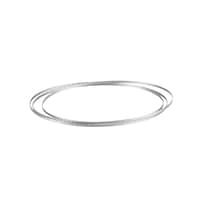 $21.993.1(26)3.1 out of 5 stars. 26 reviewsOnly 3 left
#055-0812-8
- Mastercraft 3-1/4-in Aluminum Planer Blades for Wood, Metal, Drywall, 2-pk
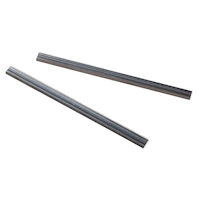 $32.993.7(11)3.7 out of 5 stars. 11 reviewsExclusive38 In Stock
#054-6627-6
- Mastercraft 56-1/8" x 1/4" x 6TPI Bandsaw Blade
 $18.990.0(0)0.0 out of 5 stars.ExclusiveOnly 2 left
#054-1421-4
- Bosch Wood Cutting Band Saw Blades, 93.5 x 1/4-in, 6-TPI
 NOW$14.96WAS±
$26.99price was $26.993.5(13)3.5 out of 5 stars. 13 reviewsOnly 3 left#055-0803-0
- Maximum Planer Blades (Replacement for CT#: 0556971), 13-in, 3-pk
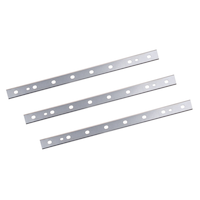 $109.990.0(0)0.0 out of 5 stars.Exclusive13 In Stock
#055-5544-6
- Bosch 5-in x 15 TPI Pin-End Premium Steel Scroll Saw Blades, 4-pkNOW$4.93WAS±
$7.99price was $7.990.0(0)0.0 out of 5 stars.Only 5 left#055-0800-6
- Mastercraft 12-1/2-in Replacement Planer Blades, Compatible w/55-5503 & 55-5504, 2-pk
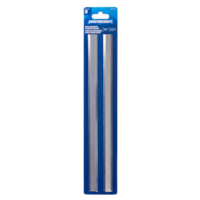 $59.994.1(24)4.1 out of 5 stars. 24 reviewsBest SellerTop RatedOnly 4 left
#055-5506-8
Recommended for You
- Weekly Deals
- Top Trending Products Picked For You
- Products Rated 4 Stars & Above
- Related Items To What You’ve Viewed
Top Sellers
Band & scroll saws: uses, blades, & tips
Whether you're a novice woodworker or a seasoned craftsman, understanding the tools at your disposal is crucial for producing quality work. There are two essential saws in any woodworking arsenal: band saws and scroll saws. Band saws can handle thicker materials and longer cuts, while scroll saws are better for fine detail work such as fretwork, intarsia, and marquetry.
What are the three main types of bandsaw blades?
The three main types of bandsaw blades are regular tooth, hook tooth, and skip tooth:
1) Regular Tooth: They use deep gullets that are spaced out evenly and have a 0-degree rake angle for cutting woods, metal, and more.
2) Hook Tooth: These blades have deeper gullets with the saw teeth cutting at a 10-degree rake angle.
3) Skip Tooth: These have shallower gullets with wider spaces between saw teeth. This makes for finer cuts at a 0-degree rake angle.
What are the different scroll saw blades?
The different types of scroll saw blades include:
1) Regular Tooth: These have deep, evenly spaced out saw teeth and are used for general purpose sawing of nonferrous metal and wood.
2) Skip Tooth: These blades have wider, evenly spaced gullets for finer, shallower cuts.
3) Double Tooth: These blades are like skip tooth blades with gaps between two teeth sets.
4) Reverse Skip Tooth: They have a section of skip tooth blades bridged to a section of reverse skip tooth blades with a gap in the middle.
5) Precision Ground Tooth: These function like smaller toothed reverse skip tooth blades for sharper cuts with a clean finish.
6) Spiral Tooth: Make rough cuts in a fast-twisting motion as they have saw teeth on all sides.
7) Crown Tooth: Have crown shaped teeth and can be used to effectively cut plastic.
How do I know what size bandsaw blade I need?
Choosing the right band saw blade depends on the project and the material used. When cutting curves at a radius under 5/8-in, use a regular blade with a width of 1/8-in and a tooth per inch between 10 to 14. For wider, finer curves, use a ¼-in regular blade with a 6-tpi. Crosscutting and resawing projects benefit from a regular blade ½-inch or greater in length with 3-tpi. When selecting a size, keep in mind that the narrower the blade, the tighter the cuts and the wider the blade, the straighter the cuts.
Why do I keep breaking scroll saw blades?
Scroll saw blades can break if they are misused or overused without proper care. Too much force when sliding materials through the blade can lead to a break as that increases tension for blades that may not cut as fast, such as skip tooth blades. Teeth can also become dull over time if not properly lubricated especially if the blades are used on incompatible materials. Overheating the blade by excessive use and increased tension can also snap the blades.

