
This paragraph should be hidden.
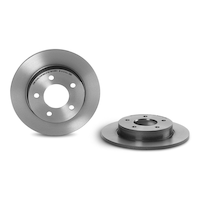
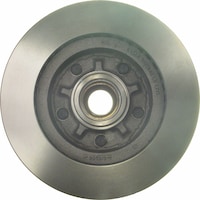
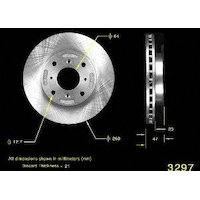
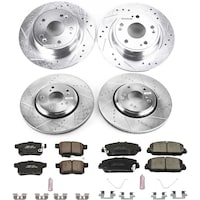
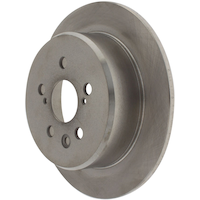
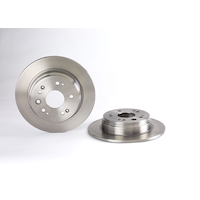
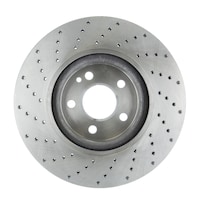
For optimum brake performance and safety, choose from our selection of front and rear brake rotors, including high-performance brake kits.


Brake rotors are required to meet a certain thickness requirement to be considered safe. As long as your rear and front rotors are at the recommended thickness, it isn’t necessary for you to change them with brake pads.
There are signs to look out for that indicate that you need to replace your rotors. These symptoms include high-pitched squeaking or grinding noises when braking, a vibrating steering wheel, and excessive wear.
To visually check your rotor for any cracks or noticeable grooves, you must remove the caliper bracket. Ensure that the rotors are cooled down before inspecting them. Look for signs of excessive rust buildup and cracks. For a professional inspection, bring your vehicle to your local Canadian Tire garage.
The cost of installing new brake rotors will depend on the make and model of your vehicle and the type and quality of parts that will be used. Replacing your brake rotors yourself will be cost-effective, but if you’re unsure about the job, it’s best to go to a professional.
Is it necessary to change brake rotors with brake pads?
Brake rotors are required to meet a certain thickness requirement to be considered safe. As long as your rear and front rotors are at the recommended thickness, it isn’t necessary for you to change them with brake pads.
When to Replace Brake Rotors and How to Check Them?
There are signs to look out for that indicate that you need to replace your rotors. These symptoms include high-pitched squeaking or grinding noises when braking, a vibrating steering wheel, and excessive wear.
To visually check your rotor for any cracks or noticeable grooves, you must remove the caliper bracket. Ensure that the rotors are cooled down before inspecting them. Look for signs of excessive rust buildup and cracks. For a professional inspection, bring your vehicle to your local Canadian Tire garage.
How much does it cost to install new brake rotors?
The cost of installing new brake rotors will depend on the make and model of your vehicle and the type and quality of parts that will be used. Replacing your brake rotors yourself will be cost-effective, but if you’re unsure about the job, it’s best to go to a professional
Is it necessary to change brake rotors with brake pads?
Brake rotors are required to meet a certain thickness requirement to be considered safe. As long as your rear and front rotors are at the recommended thickness, it isn’t necessary for you to change them with brake pads.
When to Replace Brake Rotors and How to Check Them?
There are signs to look out for that indicate that you need to replace your rotors. These symptoms include high-pitched squeaking or grinding noises when braking, a vibrating steering wheel, and excessive wear.
To visually check your rotor for any cracks or noticeable grooves, you must remove the caliper bracket. Ensure that the rotors are cooled down before inspecting them. Look for signs of excessive rust buildup and cracks. For a professional inspection, bring your vehicle to your local Canadian Tire garage.
How much does it cost to install new brake rotors?
The cost of installing new brake rotors will depend on the make and model of your vehicle and the type and quality of parts that will be used. Replacing your brake rotors yourself will be cost-effective, but if you’re unsure about the job, it’s best to go to a professional

When you visit any website, it may store or retrieve information on your browser, mostly in the form of cookies. This information might be about you, your preferences or your device and is mostly used to make the site work as you expect it to. The information does not usually directly identify you, but it can give you a more personalized web experience. Because we respect your right to privacy, you can choose not to allow some types of cookies. Click on the different category headings to find out more and change our default settings. However, blocking some types of cookies may impact your experience of the site and the services we are able to offer.
Canadian Tire Privacy Charter
These cookies are necessary for the website to function and cannot be switched off in our systems. They are usually only set in response to actions made by you which amount to a request for services, such as setting your privacy preferences, logging in or filling in forms. You can set your browser to block or alert you about these cookies, but some parts of the site will not then work. These cookies do not store any personally identifiable information.
These cookies may be set through our site by our advertising partners. They may be used by those companies to build a profile of your interests and show you relevant adverts on other sites. They do not store directly personal information, but are based on uniquely identifying your browser and internet device. If you do not allow these cookies, you will experience less targeted advertising.
These cookies allow us to count visits and traffic sources so we can measure and improve the performance of our site. They help us to know which pages are the most and least popular and see how visitors move around the site. All information these cookies collect is aggregated and therefore anonymous. If you do not allow these cookies, the aggregated data will not include your visit.
These cookies enable the website to provide enhanced functionality and personalisation. They may be set by us or by third party providers whose services we have added to our pages. If you do not allow these cookies then some or all of these services may not function properly.